Snorkeling on Oahu: where to go and when
Where is the best place to snorkel on Oahu?
It depends on the season and how you want to get in the water. Hanauma Bay on the southeast shore is the most reliable year-round option for beach snorkeling, boat trips to Turtle Canyon off Waikiki run daily regardless of season, and the North Shore only works for snorkeling in summer, when winter swell is gone.
Four places to snorkel, and they are not interchangeable
Oahu does not have one snorkeling scene, it has four, and they sit on different coasts with different seasons and different ways of getting in the water. Before booking anything or driving anywhere, it helps to know which of the four fits the trip: Hanauma Bay on the southeast shore, beach-access spots around Waikiki, boat trips that run out to reefs offshore, and a short summer-only window on the North Shore. This page is a map of those four, not a step-by-step for any one of them — each has its own guide linked below.
Honolulu Trip groups these four scenes by the same coasts the rest of the site uses: Hanauma Bay and Waikiki both sit within Honolulu’s south shore, the boat trips run out of both Waikiki and the leeward side near Ko Olina, and the North Shore is its own stretch of coast entirely, with its own season. Knowing which coast a spot sits on is often more useful than knowing its name, because the coast tells you the season and the general drive before you even look up the specific beach.
Hanauma Bay: the reef everyone means when they say “snorkeling on Oahu”
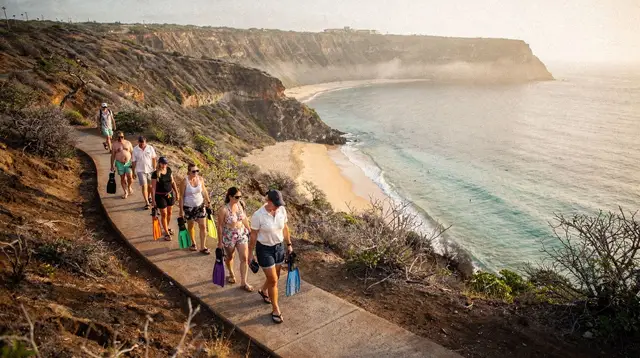
Hanauma Bay is a collapsed volcanic crater turned marine reserve on the southeast coast, past Diamond Head and Koko Crater. Its reef sits inside a mostly enclosed bay, which is exactly why it works for snorkeling: the water is shallow, usually calm, and protected from the open-ocean swell that closes out other beaches in winter. It is the default recommendation for a first snorkel on Oahu, for families, and for anyone without a lot of open-water experience.
It is also the most tightly managed beach on the island: closed two days a week, a required reservation system, and an entry fee. None of that belongs on this page — the full booking process, current fee, and closure days are in Hanauma Bay reservations: how to book your entry.
Waikiki: snorkeling without leaving the neighborhood
Waikiki is not primarily known for snorkeling — it is known for beginner surf lessons and a swimmable beach — but a few pockets along the shoreline have enough reef and rock structure to be worth a mask and fins, especially near Kaimana Beach at the Diamond Head end. Visibility and fish life are modest compared to Hanauma Bay or an offshore reef, and the appeal is convenience: no drive, no reservation, no boat.
For anyone weighing a Waikiki beach entry against a boat trip or against driving to Hanauma Bay, Snorkel tours vs. beach snorkeling on Oahu lays out the tradeoffs directly, and Best snorkeling beaches on Oahu you can reach without a boat ranks the beach options island-wide.
Boat trips: Turtle Canyon and other offshore reefs
A boat trip trades convenience for reach: instead of walking into the water from sand, a catamaran or speedboat runs a few miles offshore from Waikiki or the Ko Olina area to reefs that are not reachable on foot, most famously Turtle Canyon, a shallow reef off Waikiki where green sea turtles are seen with some regularity. These trips typically run two to four hours, include mask, fins, and a flotation aid, and often bundle a light lunch or drinks. Some pair snorkeling with a dolphin encounter further offshore, and a few add live music or hula on the return leg.
a half-day catamaran trip to Turtle Canyon with music on the way back is a straightforward option for a first offshore snorkel from Waikiki, and a turtle-focused catamaran snorkel off the west side near Ko Olina covers the same idea from Ko Olina instead. Boats that add wild dolphins to the itinerary, such as a speedboat trip combining snorkeling with a dolphin swim, should never be booked on the promise of a sighting — spinner dolphins are wild animals, not performers, and a reputable operator will say so.
The full case for and against a boat trip versus a beach entry — cost, seasickness, what is included, how far offshore you actually go — is in Snorkel tours vs. beach snorkeling on Oahu. For everything specific to Turtle Canyon itself, see Turtle Canyon snorkel tours from Waikiki.
Ko Olina and the leeward coast: a second departure point
Not every boat trip to Turtle Canyon or the offshore reefs leaves from Waikiki. Ko Olina, on the sunny, dry leeward side of the island, is the other main departure point, and it changes the trip more than the name suggests: boats based there reach open water faster, and conditions tend to run calmer overall, since the leeward coast sits in the lee of the island’s mountains and gets less of the wind and swell that reach the windward and north-facing shores. The west-side catamaran trip described above covers this departure option in more detail.
Ko Olina’s own man-made lagoons are calm and shallow enough for casual swimming with kids, but they are not a reef and are not really a snorkeling destination — there is little to see over sand. Anyone staying on the leeward side who wants real snorkeling should plan on a boat trip out to a reef rather than walking out from the lagoon shoreline.
What you will actually see underwater
Green sea turtles (honu) are the animal most visitors hope for, and they turn up reliably enough at sites like Turtle Canyon that boats built a name around them, but Hanauma Bay’s reef and the rockier pockets near Waikiki also have resident turtles feeding on algae along the bottom. Reef fish are the more constant sight everywhere on Oahu: parrotfish grazing on coral, schools of needlefish near the surface, and, in calmer inlets, small reef sharks that pose no threat to swimmers and are best left alone rather than chased for a photo.
Spinner dolphins are the one animal no trip can honestly promise. They are wild, they keep their own schedule well offshore, and a boat that guarantees a sighting is overselling it — a reputable operator watches from a respectful distance rather than chasing or cornering a pod, and treats a sighting as a bonus, not the point of the trip. Winter adds one more possibility that has nothing to do with the reef at all: humpback whales pass offshore roughly from December to April, and some boat routes to offshore reefs cross paths with them at a distance during that window, even though the trip itself is booked and priced as snorkeling, not whale watching. See Humpback whale season on Oahu, month by month for how that season lines up with the rest of the year.
The North Shore: good snorkeling, but only half the year
The North Shore earns its reputation from winter surf, and that same winter swell — waves that can reach 3 to 6 m (10 to 20 ft) at spots like Waimea Bay and the Banzai Pipeline from roughly November to February — makes the water dangerous for snorkeling, not just for swimming. From about May to September, the same coastline goes flat and clear, and spots that are closed out all winter become genuinely good, calm snorkeling.
The takeaway that matters most: never plan a North Shore snorkel for a winter trip. If the visit falls between November and April, put the mask away on this coast and go to Hanauma Bay or a boat trip instead. If it falls in summer, the North Shore is a legitimate add-on to a day up the coast.
Choosing between the four, at a glance
| Where | Access | Best season | Who it suits |
|---|---|---|---|
| Hanauma Bay | Beach, reservation required | Year-round | First-timers, families |
| Waikiki | Beach, walk-in | Year-round | Convenience over quality |
| Boat trips (Turtle Canyon and similar) | Boat, booked in advance | Year-round | Turtles, offshore reef, no driving |
| North Shore | Beach, walk-in | May to September only | Summer visitors who want a change of scenery |
Gear, safety, and the sunscreen rule
Rental gear (mask, snorkel, fins) is available at Hanauma Bay’s concession stand and is included on nearly every boat trip; bringing your own mask is worth it mainly for fit. Reef etiquette applies everywhere on Oahu: never stand on or touch coral, never touch or chase a turtle or dolphin, and keep a respectful distance — coral is a living animal, and standing on it kills it.
Hawaii has banned the sale of sunscreens containing oxybenzone or octinoxate statewide since January 1, 2021, so pack a mineral sunscreen (zinc oxide or titanium dioxide) rather than assume whatever is in the bag at home is still legal to buy here. A rash guard covers more skin than sunscreen reapplied mid-swim ever will, which matters most on a multi-hour boat trip.
Ocean conditions vary by coast and season more than most visitors expect. Always check posted flags and lifeguard guidance before getting in, and see Hiking safety and permits on Oahu and the destination guides above for coast-specific hazards like rip currents and jellyfish windows.
A mask that does not seal against the face defeats the rest of the gear, so it is worth testing the fit before a trip: press the mask to your face without the strap and inhale gently through the nose — if it stays on by suction alone, it seals. Fins should be snug but not painful, since blisters from ill-fitting fins are one of the more common minor injuries on a boat trip. Rinsing gear in fresh water after every use, whether rented or your own, keeps salt from breaking down straps and silicone over a multi-stop trip.
The sunscreen rule is a statewide law, not a suggestion specific to any one beach or operator: Hawaii banned the sale of sunscreens containing oxybenzone or octinoxate on January 1, 2021, so a bottle bought before that date, or bought outside the state, may still contain one of the banned ingredients. Checking the active-ingredient list for zinc oxide or titanium dioxide, rather than trusting a label that simply says “reef safe” without listing ingredients, is the only reliable check.
Combining a snorkel with the rest of a day
Most visitors do not dedicate a full day to snorkeling alone. A Hanauma Bay morning pairs easily with Diamond Head or Waikiki in the same day; a Turtle Canyon boat trip usually is the morning, freeing the afternoon for Pearl Harbor or a walk through Honolulu; and a summer North Shore snorkel fits naturally into a circle-island day that also stops at Waimea Bay and Haleiwa. For a broader look at what else the water on Oahu offers beyond a mask and fins — scuba, shark dives, kayaking — the snorkeling-diving category and oahu activities hub cover the rest.
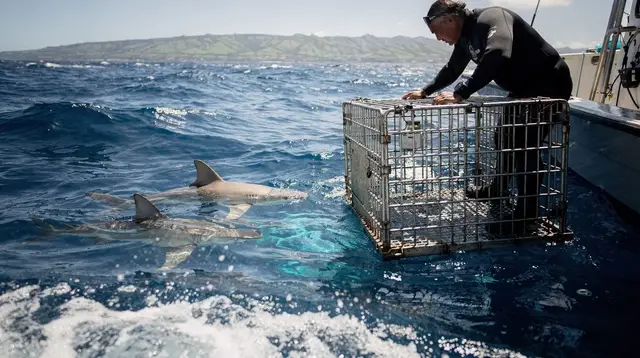
If a full underwater certification course is more the goal than a single snorkel, Scuba diving on Oahu for beginners with no certification covers that separately, and divers who want something more adrenaline-focused than a reef swim can read North Shore shark dive: what the boat trip out of Haleiwa is really like.
a Honolulu-departure trip pairing snorkeling with a dolphin swim further offshore rounds out the boat options above for anyone set on combining both in one outing.
Families weighing snorkeling against other water time can compare it with the wider options in Family-friendly beaches on Oahu and Water sports in Waikiki: what is actually worth booking, and anyone building a full first-time itinerary rather than a single day can see how a snorkel session typically slots in within Three days on Oahu for first-timers.
Snorkeling on Oahu, by season and coast
Do I need to book Hanauma Bay in advance?
Yes, every visitor needs a reservation, and the system has its own quirks around timing and closure days — covered in full in Hanauma Bay reservations: how to book your entry rather than here.
Is Turtle Canyon better than Hanauma Bay?
They are different experiences rather than one being strictly better: Hanauma Bay is a walk-in reef with shallow, protected water, while Turtle Canyon is a boat-access reef further offshore with a higher chance of turtle sightings and no reservation lottery. Snorkel tours vs. beach snorkeling on Oahu compares them directly.
Can I snorkel on the North Shore in winter?
No. Winter swell makes North Shore water dangerous for snorkeling from roughly November through February. Wait for summer or choose the southeast shore or a boat trip instead.
Is snorkeling free on Oahu?
Walk-in beach snorkeling is free apart from any beach entry or parking fee (Hanauma Bay charges both); boat trips and gear rental are paid activities, typically in the USD 80 to 150 range before tax, though exact pricing depends on the operator and trip length.
Do I need to be a strong swimmer to snorkel on Oahu?
Not for Hanauma Bay or a guided boat trip, both of which suit beginners and provide flotation gear. Open-water spots without a guide, or anywhere with visible current or boat traffic, are better suited to confident swimmers.
What is the difference between snorkeling and scuba diving on Oahu?
Snorkeling stays at the surface with a mask, snorkel, and fins and needs no certification; scuba diving goes underwater on air tanks and requires training. Scuba diving on Oahu for beginners with no certification covers how to start.
Snorkelling and diving tours on GetYourGuide
Verified deep-linked GetYourGuide tours. Book through these links and we earn a small commission at no cost to you.
GetYourGuide does not provide a product photo for this activity — the image shows the meeting point, photographed by us.