Water sports on Waikiki Beach: surf, outrigger canoe, and paddle
What water sports can you do directly from Waikiki Beach?
Waikiki Beach has walk-up surf lessons, outrigger canoe rides with local beach boys, stand-up paddleboard rental and lessons, and sunset catamaran sails, all launching from the sand with no advance booking required. South shore swells are generally gentler than the North Shore, making Waikiki one of the more approachable places in Hawaii to learn.
What’s actually on the sand at Waikiki
Waikiki’s 3 km of beach is lined with beach service concessions, most of them clustered near Kuhio Beach and the stretch in front of the big hotels. This is where the walk-up water sports economy runs: surfboard and paddleboard rental, group and private surf lessons, outrigger canoe rides, and departure points for sunset catamarans. None of it requires a car, a drive, or a reservation made weeks out. It is the most convenient water sports access on Oahu, and for a short trip based in waikiki, often the only water sports someone needs to plan.
This page covers what launches from the beach itself, under human or wind power: surfing, outrigger canoe, paddleboarding, and sail-powered sunset cruises. It does not cover jet-ski or parasailing, which run from Kewalo Basin and other harbors rather than Waikiki sand and follow different booking and safety rules — see Parasailing and jet-ski tours on Oahu. It also does not cover submarine tours or glass-bottom boats, which are a different kind of outing entirely; see Submarine and glass-bottom boat tours off Waikiki. Mixing these categories up leads to the wrong expectations about how to book and what the day looks like, so keep them separate when planning.
Surf lessons: the main reason people come to this stretch of sand
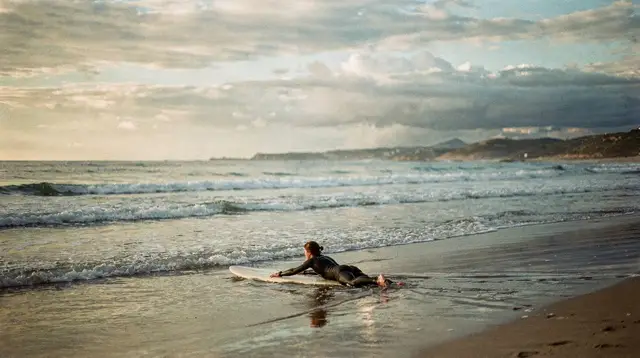
Waikiki is where mass-market surf instruction in Hawaii essentially began, and it remains the easiest place on Oahu to try standing up on a wave for the first time. The inside break, protected by an offshore reef, produces small, slow, rolling waves that are forgiving for beginners in a way that open-ocean breaks are not.
How it works: instructors from beach concessions run group lessons (usually four to eight students per instructor) and private lessons on long, soft-top boards designed for stability rather than performance. A typical lesson runs about an hour in the water, preceded by 10 to 15 minutes of on-sand instruction covering paddling, standing up, and basic etiquette. Most first-time students catch and ride at least a few waves to their feet by the end of the session.
Booking: walk-up is normal. Concessions along Kalakaua Avenue and the beach itself take same-day sign-ups, and outfits also sell lessons online for a set time slot. Late morning through early afternoon is the busiest window, when instructor availability can run tight on nice days — arriving by 9 a.m. or booking a specific time slot ahead of a peak-season visit avoids a wait.
For a structured lesson booked ahead of time, a Waikiki beach surf lesson covers board, instruction, and water time in one package.
| Lesson type | Group size | Typical length | Typical price (before tax) |
|---|---|---|---|
| Group lesson | 4–8 students | About 1 hour in water | 75–110 USD per person |
| Semi-private | 2–3 students | About 1 hour | 100–150 USD per person |
| Private lesson | 1 student | About 1 hour | 150–250 USD |
| Board rental only (no instructor) | — | Per hour | 15–25 USD/hour |
Prices vary by operator and season and are quoted before Oahu’s roughly 4.5% general excise tax. For a broader look at learning to surf anywhere on the island, including how Waikiki compares to other beginner-friendly spots, see Learning to surf on Oahu: a beginner’s guide and Surf lessons in Waikiki: what to expect. A lesson and a plain board rental are not the same purchase — see Surf lesson or board rental: which one on Oahu before deciding which to book.
Best time of year to learn at Waikiki
Oahu has two seasons, not four: a dry season from roughly May to October and a wetter season from November to April. Swell direction follows the same split. The North Shore gets pounded by large winter swell from November through February — the surf described in North Shore surf season: when the waves turn on (and off) — while Waikiki’s south-facing shore is largely sheltered from that swell and tends to be at its calmest and most consistent for beginners from roughly May through September.
Winter can still bring south swell events and choppier wind conditions to Waikiki, occasionally shutting down or shortening lessons for a day, but this is the exception rather than the rule, and conditions never approach North Shore winter surf. A beginner visiting Honolulu in December is not choosing between “surfable” and “not surfable” — they are choosing a somewhat less consistent version of the same gentle inside break available in summer.
Outrigger canoe rides with beach boys
The outrigger canoe (waa) is a Hawaiian watercraft, and riding one at Waikiki with an experienced local paddler — often called a beach boy, a title with real history on this beach going back a century — is one of the more culturally rooted things to do here rather than a generic tourist add-on.
How it works: a six-person canoe, steered by one or two experienced paddlers who read the swell, catches an incoming wave and rides it toward shore, repeating for a set of typically three waves per outing. No paddling experience or physical fitness is needed; passengers mostly hold on and enjoy the ride while the steersman does the work. Sessions run 15 to 25 minutes including a walk-out through shallow water to the canoe.
Booking and cost: sold at the same beach concessions as surf lessons, walk-up or same-day. A three-wave outrigger ride typically runs 20 to 40 USD per person, making it one of the cheaper ocean activities on this stretch of beach. It is a good option for people traveling with grandparents or younger children who want to be on the water without surfing themselves — see Oahu with kids: where to stay, what to do, what to skip for more on family-friendly options along this coast.
Stand-up paddleboarding
The flat, reef-protected water inside Waikiki’s breakline is calm enough that stand-up paddleboarding (SUP) is approachable for a first try, distinct from surfing in that the goal is standing and gliding rather than catching waves, though paddleboard surfing lessons are also offered by some outfits for those who want to combine the two.
Rental: paddleboards rent by the hour from the same beach stands as surfboards, typically 25 to 35 USD per hour, with lessons available for those who want instruction rather than just a board. A beginner SUP lesson runs similar pricing to a beginner surf lesson. For a dedicated look at paddleboarding logistics and where else on Oahu to try it, see Paddleboarding in Waikiki.
Sunset catamaran sails from the beach
Unlike Honolulu’s harbor-based dinner cruises, several catamarans sail directly off Waikiki Beach — the boat is beached in the sand between trips, and passengers wade out to board. This is a lighter, more casual experience than a formal dinner cruise out of a marina: expect a 90-minute to two-hour sail timed around sunset, often with a drink included, rather than a multi-course plated dinner.
A Waikiki sunset splash cruise departs straight from the beach and combines the sail with time in the water, while a captain’s sunset tasting sail leans toward a quieter drinks-and-views format. For those who want a broader water sports mix in a single outing — snorkeling, a water trampoline, paddleboards, and a banana boat alongside the sail — a catamaran cruise combining five water sports activities packages several of the above into one afternoon trip departing from Waikiki waters.
For the difference between this kind of casual beach-launch sail and a formal harbor dinner cruise, see Dinner cruise vs. luau: which evening fits your trip and Sunset cruises from Waikiki; for what to actually wear on board, What to wear on a Waikiki dinner cruise covers both formats.
Logistics: walking distance, no car needed
Nearly every hotel in Waikiki is within a 5 to 15 minute walk of a beach concession offering surf lessons, canoe rides, and paddleboard rental. This is one of the few places on Oahu where a rental car adds no value for the activity itself — parking a car in Waikiki costs 45 to 75 USD per night on top of resort fees, money better spent on lessons than a garage. For getting to Waikiki in the first place without a car, see HNL to Waikiki: every transport option compared and TheBus and Skyline: Honolulu’s public transit guide.
Most concessions operate roughly 8 a.m. to sunset, weather and surf conditions permitting. Bring reef-safe sunscreen — Hawaii has banned the sale of sunscreens containing oxybenzone or octinoxate statewide since January 2021, so mineral formulas (zinc oxide or titanium dioxide) are the products actually sold in local shops. Rash guards are commonly available for rent or purchase and are worth using given the multi-hour sun exposure typical of a beach morning.
What this page does not cover
Motorized water sports — jet-ski rental and parasailing — depart from Kewalo Basin and other Honolulu harbors rather than Waikiki Beach, follow different safety briefings and weight or age restrictions, and are covered in Parasailing and jet-ski tours on Oahu. Submarine tours and glass-bottom boat rides are a separate, non-athletic category entirely, covered in Submarine and glass-bottom boat tours off Waikiki. Snorkeling excursions that leave from a boat rather than the beach, including trips out to Turtle Canyon, are covered in Snorkeling on Oahu: where to go and when and Turtle Canyon snorkel tours from Waikiki rather than here.
To compare a Waikiki base against a resort-lagoon alternative for water access, see Waikiki vs Ko Olina: where to stay on Oahu, which weighs this beach against Ko Olina.
Waikiki water sports, questions people ask before booking
Do I need to book surf lessons or canoe rides in advance?
No. Beach concessions along Waikiki operate on a walk-up basis most of the year, though booking a spot online or turning up early in peak midday hours (10 a.m. to 2 p.m.) avoids waiting for the next available instructor or canoe seat.
What is the best time of year to learn to surf at Waikiki?
May through October, during the dry season, when south shore swell is typically small and consistent. Winter (November to April) can bring bigger, more irregular south swells and wind chop, though conditions are still far calmer than the North Shore’s winter surf.
How much does a surf lesson or canoe ride cost at Waikiki?
Group surf lessons run roughly 75 to 110 USD per person for about an hour, private lessons more. Outrigger canoe rides are typically sold as three-wave rides for around 20 to 40 USD per person. Prices are quoted before the roughly 4.5% Oahu general excise tax.
Can beginners really learn to surf in one lesson at Waikiki?
Most first-timers stand up on the reef-protected inside break within an hour thanks to long, slow-rolling waves and soft longboards. It will not make anyone a proficient surfer, but standing up on a wave or two is realistic for a first session.
Do I need to rent gear separately from taking a lesson?
No. Surf lessons, canoe rides, and paddleboard lessons booked through beach concessions include the board, paddle, or canoe seat. Standalone board or paddleboard rental is also available by the hour for those who already know what they are doing.
Is Waikiki good for stand-up paddleboarding as a beginner?
Yes. The flat, protected water inside the reef near Kuhio Beach and Queens is calm enough for a first attempt, and rental stands are set up along the same stretch of sand as the surf schools.
What is a Waikiki sunset catamaran sail and how is it different from a dinner cruise?
A sunset catamaran launches straight from the beach on a sailboat rather than a harbor-based yacht, runs about 90 minutes to two hours, and is generally lighter and less formal than a plated dinner cruise departing from a marina; see dinner-cruise-vs-luau for that comparison.
Jet ski and water sports on GetYourGuide
Verified deep-linked GetYourGuide tours. Book through these links and we earn a small commission at no cost to you.
GetYourGuide does not provide a product photo for this activity — the image shows the meeting point, photographed by us.