One island, five different trips
Oahu is the most populous island in the Hawaiian archipelago, home to about a million residents and to Honolulu, the state capital. It is not the “Big Island” - that is the neighboring island of Hawaii, 45 minutes away by air, where the volcanoes are. Oahu has no active volcano, no lava, and no black-sand beach to visit; its dramatic-looking peaks and craters, including Diamond Head, are extinct.
The island covers about 1,545 square kilometers, with the Waianae range’s Mount Kaala (1,227 m) as its highest point. Two mountain ranges, Waianae and Koolau, run roughly north-south and split Oahu into distinct coastal zones that behave like separate small destinations - different weather, different pace, different reason to visit. Understanding that layout before you book anything saves more planning trouble than any single attraction recommendation.
Rather than one continuous trip, think of Oahu as five regions, each answering a different question.
The south coast: Honolulu and Waikiki
This is where almost everyone starts and where most people stay for their entire trip. Honolulu is both the city and, administratively, the county that covers the whole island - but in everyday use it means the urban core: downtown, Chinatown, Iolani Palace, the Bishop Museum, and Ala Moana. Waikiki is a specific 3-kilometer beachfront neighborhood within Honolulu, about 10 km from the airport, and it is where the hotels, the surf lessons, and most tour pickups are concentrated.
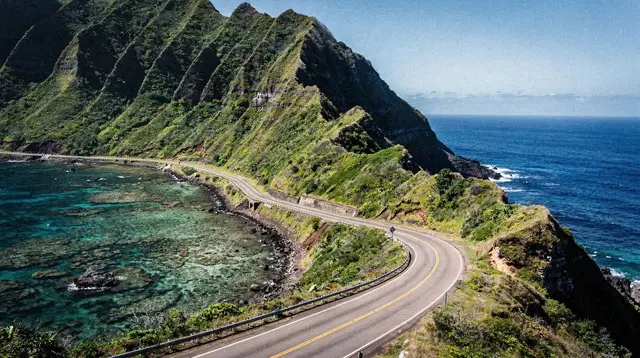
South and southeast of Waikiki, the coast continues toward Hanauma Bay, Koko Crater, the Halona Blowhole, and Makapuu - a stretch that rewards a half-day or full-day trip rather than a quick stop, since Hanauma Bay in particular runs a reservation system and closes two days a week.
If your trip is built around a hotel stay, restaurants, museums, and beach time with minimal driving, the south coast covers nearly everything you need. A rental car is not necessary for a Waikiki-only stay; hotel parking runs $45-75 a night on top of the room rate, and TheBus and the Biki bikeshare network handle the urban area well.
Leeward Oahu: Pearl Harbor and Ko Olina
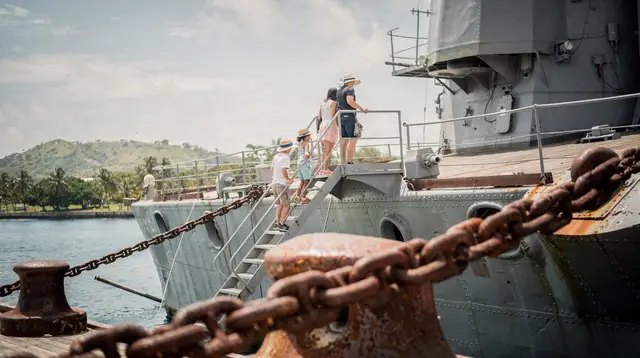
West of Honolulu, past the airport, sits Pearl Harbor - the most-visited single site on the island and the one most worth planning ahead for. The National Park Service memorial itself is free, but the boat program to the USS Arizona Memorial requires an online reservation, and those release eight weeks out. Nearby, the USS Missouri, USS Bowfin submarine, and the Pearl Harbor Aviation Museum are separate, paid attractions run by different organizations, not part of the free national memorial.
Continuing west, Kapolei and Ko Olina offer four sheltered artificial lagoons that work well for young children, plus resort properties that function almost as a self-contained base away from Waikiki. Past Ko Olina, the Waianae coast turns dry, quiet, and far less touristy, ending at Yokohama Bay.
Getting to Pearl Harbor from Waikiki takes 30-45 minutes by car or rideshare; since October 2025 the Skyline rail line also reaches a Pearl Harbor station, though it does not yet connect directly from Waikiki. A half-day trip covers Pearl Harbor comfortably; pairing it with Ko Olina or the Waianae coast turns it into a full day.
The windward coast: Kailua, Lanikai, and Kaneohe
Cross the Koolau range - by car through the Nuuanu Pali or the H-3 - and the island changes completely. The windward coast is greener and wetter, with turquoise water at Kailua Beach and Lanikai that shows up on most Hawaii postcards. Kailua is a real town with restaurants and shops; Lanikai has no public parking at all, so kayak trips there launch from Kailua Beach Park instead.
Kaneohe Bay, the Nuuanu Pali Lookout, and Kualoa Ranch - the private valley used for Jurassic Park and other film shoots - round out this side of the island. It’s a scenic 30-45 minute drive from Waikiki, closer to an hour with traffic, and rain is genuinely more frequent here than on the south coast even within the same “dry season” months.
This is the region for calm, photogenic beaches and a slower pace, but it thins out the tour infrastructure of Waikiki - plan a rental car or a booked tour rather than counting on TheBus for a same-day round trip.
North Shore: surf country
The North Shore is the island’s most seasonal region. In winter (November to February), Pacific swells push waves of 3-6 meters into Waimea Bay and the Banzai Pipeline, drawing professional surfers and making swimming dangerous for almost everyone. In summer (May to September), the same beaches turn calm and swimmable. Haleiwa town is the practical base, with the Kahuku shrimp trucks, the Polynesian Cultural Center in Laie, and the Dole Plantation in Wahiawa filling out a day trip.
From Waikiki, the North Shore is genuinely far: about 50 km, roughly 45 minutes without traffic but realistically 1-1.5 hours each way. That makes it a dedicated day trip, not an add-on to another region, and a rental car or organized tour is close to essential since TheBus routes (52 and 60) exist but run slowly around the island’s perimeter.
Tying the regions together
Only the south coast is realistically walkable and bus-friendly for daily use; Skyline currently runs between East Kapolei and the Kalihi Transit Center, serving the airport and Pearl Harbor area, but not yet downtown Honolulu or Waikiki. For everything past that urban core - the North Shore, the windward coast, Ko Olina and the Waianae coast - a rental car is the practical choice, with H-1, H-2, H-3, and the coastal Kamehameha Highway as the main routes.
| From Waikiki to | Drive time | Best region page |
|---|---|---|
| Downtown Honolulu | 15-20 min | honolulu |
| Pearl Harbor | 30-45 min | Pearl Harbor |
| Hanauma Bay / Koko Head | 25-30 min | Southeast Shore |
| Kailua / Lanikai | 30-45 min | Windward Coast |
| Ko Olina | 40-50 min | Ko Olina |
| Haleiwa / North Shore | 45 min - 1h30 | North Shore |
A full circle-island route links the south coast, windward coast, and North Shore into one long day - 6-8 hours with stops - and is a reasonable way to see most regions if you only have one day for driving. Compare it against self-driving the loop if you’d rather set your own pace.
Choosing your regions by travel style
A single “top things to do” list flattens Oahu into a checklist and misses the real decision, which is about matching regions to how you actually want to travel:
- Urban, low-effort stay: base in Waikiki, cover honolulu museums and palaces, skip the rental car, and use TheBus or Biki. See where to stay on Oahu.
- Family with young kids: Waikiki’s protected beach plus Ko Olina’s calm lagoons cover most needs; see family-friendly beaches and Oahu with kids.
- Surf focus: the North Shore in winter for watching, or Waikiki’s gentler breaks for lessons; start with North Shore surf season and learning to surf on Oahu.
- History and remembrance: Pearl Harbor deserves a dedicated half or full day, planned around its reservation windows - see Pearl Harbor half-day vs full-day.
- Adventure and scenery: the windward coast and Kualoa Ranch for hiking, kayaking, and film-set tours; see best hikes on Oahu and Kualoa Ranch guide.
For most first-time visitors, the honest answer is a mix: a few days anchored in Waikiki, one dedicated day for Pearl Harbor, one for the North Shore, and one for the windward coast if time allows. See first-time Oahu planning and how many days on Oahu for fuller breakdowns, and Oahu on a budget if cost is the constraint.
Leaving the island
Oahu sits alongside Maui, Kauai, and the Big Island, but no ferry connects them - inter-island travel is by air only, 25-45 minutes depending on the island. A day trip to the Big Island or a Maui day trip is realistic but adds airport time on both ends; weigh whether it’s worth it against simply spending that day exploring more of Oahu itself.
For a structured circuit of Pearl Harbor and downtown Honolulu, the Oahu: Pearl Harbor Heroes Deluxe Experience combines the memorial visit with nearby historic sites in one guided day. Evenings in Waikiki are commonly built around a luau; the Oahu: Chief’s Luau is one of the better-reviewed options on the south side of the island. Travelers splitting time between the south coast and open water often add the Oahu: Turtle Canyon Snorkeling Hula Dance tour or a Oahu: Boat Cruise to Diamond Head for a different angle on the south shore.
Money, timing, and logistics that apply islandwide
Hawaii uses the US dollar, and prices you see quoted are before tax: expect roughly 4.5% general excise tax on goods and activities, and closer to 18-19% total on a hotel room once the state transient accommodations tax and county surcharge are added, before resort fees, which are billed separately per night. Time zone is HST (UTC-10) year-round - Hawaii does not observe daylight saving. ESTA is required for visa-waiver visitors, and the emergency number is 911. Driving is on the right, and road signs use miles.
Weather runs two seasons rather than four: dry from May to October, wetter from November to April, though a Honolulu winter day still averages around 26°C. Trade winds blow roughly 70% of the year and keep the heat manageable; when they drop, expect more humidity and occasionally vog (volcanic haze drifting from the Big Island’s Kilauea). Pacific hurricane season runs June 1 to November 30. Sunscreens containing oxybenzone or octinoxate cannot legally be sold anywhere in Hawaii since January 2021 - mineral sunscreens are the safe default to pack.
Frequently asked questions about getting around Oahu
Do I need a rental car to see all of Oahu?
For Waikiki alone, no - TheBus and Biki cover the urban core well, and hotel parking is expensive. To reach the North Shore, the windward coast, Ko Olina, or the Waianae coast on your own schedule, a rental car is close to essential, since bus routes to those areas are slow and infrequent.
How far is the North Shore from Waikiki?
About 50 km, which works out to roughly 45 minutes with no traffic and 1 to 1.5 hours in realistic conditions. It’s a dedicated day trip, not a quick add-on.
Is Honolulu the same as Waikiki?
No. Waikiki is a specific beachfront neighborhood within the city of Honolulu. “Honolulu” can also refer to the entire city and county, which legally covers all of Oahu - about a million residents islandwide, versus roughly 350,000 in the urban core.
Can I see Pearl Harbor and the North Shore in one day?
It’s possible but rushed and not recommended. Pearl Harbor’s reservation system and security lines already fill a half day well, and the North Shore is over an hour’s drive further. Most itineraries split these into separate days.
Which coast has calmer water for swimming?
The south coast (Waikiki) and Ko Olina’s lagoons are reef-protected and calm year-round. The North Shore is calm in summer but has dangerous surf in winter; the windward coast at Kailua and Lanikai is generally calm but more exposed to wind.
Is there a ferry between Oahu and the other Hawaiian islands?
No. Maui, Kauai, and the Big Island are reached only by air from Oahu, in 25 to 45 minutes depending on the island. The only inter-island passenger ferry in Hawaii runs between Maui and Lanai.
What’s the best single day trip if I only have one extra day?
A circle-island route covering the windward coast and North Shore in one long day (6-8 hours with stops) is the most efficient way to see beyond Waikiki with limited time; see the one-day circle island itinerary.
Does the Skyline rail line reach Waikiki?
Not yet. Skyline currently runs between East Kapolei and the Kalihi Transit Center, serving the airport and Pearl Harbor area. Extension toward downtown and Waikiki is planned for the early 2030s; for now, a bus connection is needed to reach Waikiki from the rail line.