Oahu on a budget: 4 days without a car
Why skip the rental car
Waikiki has the densest concentration of hotels, hostels and vacation rentals on Oahu, and it is also where TheBus, the Skyline rail, and the Biki bikeshare network overlap the most. That combination is what makes this itinerary work: you sleep in Waikiki, and every site below is reachable by a bus you can catch within a few blocks of your bed. A rental car adds a daily rate, gas, and hotel parking that regularly runs 45 to 75 USD a night in Waikiki, on top of the resort fee most properties already charge — see resort fees and hidden costs before you book. Skip all of that and the car-shaped hole in the budget disappears.
This plan is not the fastest way to see Oahu, and it is not the cheapest possible version either — it is a realistic four days that keeps daily spending down without missing the island’s signature stops. For a longer, similarly car-free version, see three days on Oahu without a car; for the opposite end of the spectrum, four days of luxury Oahu shows what the same four days look like with a driver and private guides.
Getting around: the numbers that matter
- TheBus: a single ride is around 3 USD, with transfers included for about 2.5 hours. A HOLO card caps your spending automatically — once you have paid the daily cap, further rides that day are free, and the same logic applies at the monthly level. Fares were revised in 2026, so check current numbers at thebus.org before you go.
- Skyline: Honolulu’s driverless rail currently runs two open segments between East Kapolei and the Kalihi Transit Center, serving Pearl Harbor and the airport. It does not yet reach Waikiki or downtown, so you will combine it with a bus leg on the days it is useful. Full details in the TheBus and Skyline guide.
- Biki: Waikiki’s bikeshare, with roughly 130 stations between Iwilei, Diamond Head and the university at Manoa. Good for short hops inside the urban core; check current pricing at gobiki.org. More in the Biki bikeshare guide.
- Kailua by bus: budget 60 to 75 minutes each way from Waikiki, usually with one transfer. It is slower than a 30-minute drive, but it costs a fraction of a rental car and gets you to the same beach.
For the full breakdown of transport options across the island, see getting around Oahu.
Day 1: Waikiki, free beach time and a first taste of the island
Land, settle into budget lodging (a hostel or a modest Waikiki hotel keeps this plan honest — see where to stay on Oahu if you have not booked yet), and buy a HOLO card at any ABC Store or Skyline/bus ticket machine. It works on every bus and the rail for the rest of the trip.
Spend the afternoon on the free part of the itinerary: Waikiki Beach itself, which is really a string of connected sections (Kuhio Beach, Queens, Fort DeRussy, Kaimana) with a protective reef that makes the swimming easy. Walk Kalakaua Avenue for a look at the shops without buying anything, then cut down to Kuhio Beach at sunset — it costs nothing and it is genuinely one of the best free views on the island.
For dinner, skip the beachfront restaurants and look a few blocks inland for a plate lunch counter — two scoops of rice, mac salad, and a protein (kalua pork or huli huli chicken) for well under what a sit-down Waikiki dinner costs. A food truck or a shave ice stand covers dessert for a few dollars. If you want a structured first look at the neighborhood instead of wandering, the Waikiki historic walk is free to follow on your own.
Before bed, reserve your Diamond Head slot for Day 4 (see below — spots open 30 days out and do sell out) and check the Hanauma Bay reservation window if you plan to add snorkeling later in the trip; details in the Hanauma Bay reservation guide.
Day 2: Pearl Harbor and Honolulu by bus and rail
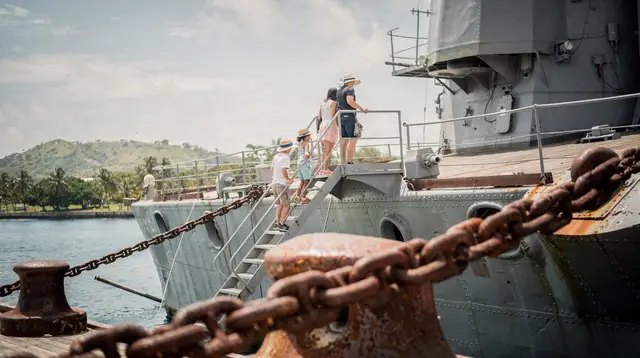
Pearl Harbor is the most-visited site on Oahu and the core of the memorial complex — the visitor center, its two museums, the film, and the USS Arizona Memorial program itself — is free. The only cost is the recreation.gov booking fee, about 1 USD per ticket, and reservations open eight weeks ahead, with a small batch of next-day slots released daily at 3 p.m. Hawaii time. Book before you fly; showing up without a reservation is not a reliable plan.
Getting there without a car means combining the Skyline with a bus connection, or riding TheBus directly from Waikiki — either way, budget close to an hour each way and remember the strict no-bag rule (nothing larger than about 4 x 6 x 14 cm gets past security; paid lockers are on-site). If you would rather not work out the transfers yourself, a guided option folds the ride in with the ticket:
From Waikiki USS Arizona Memorial and Honolulu City TourThat same tour typically continues into Honolulu’s historic core, which is worth doing even if you handle Pearl Harbor independently — Chinatown, the Iolani Palace exterior, and Punchbowl (free, with city views) are all walkable from each other once you are downtown. A shorter combined option covers similar ground in less time:
Oahu: Pearl Harbor and Historic Honolulu Half DayLunch in Chinatown is one of the best-value meals on the island — a market plate or a noodle shop runs a few dollars. This day alone deserves more space than a budget itinerary can give it; the full version, with hour-by-hour timing, is at one day Pearl Harbor and Honolulu.
Day 3: Windward Coast — Kailua, Lanikai and Kaneohe
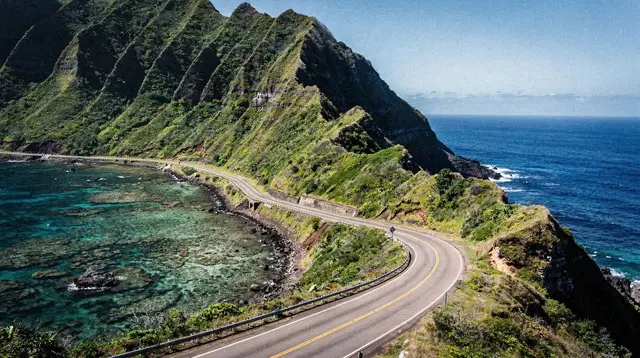
The windward side is where Oahu’s water turns the postcard turquoise you have seen in photos, and it is a straightforward TheBus trip from Waikiki — no car required, just patience for the ride. Catch an early bus to keep the beach day long; you will connect once, and the full run typically takes 60 to 75 minutes each way.
Kailua Beach is the destination — wide, calm, and free to enter, with public parking at Kailua Beach Park. Lanikai, next door, has no public parking at all; do not plan to drive there even if you had a car, and know that commercial kayak operators are directed to Kailua Beach Park rather than Lanikai itself. Walk over if you want the view, but base your beach day at Kailua.
If the budget has room for one paid activity this trip, this is a reasonable place to spend it — the water here is calm enough for a first kayak trip to the Mokulua islets just offshore:
Kailua: Guided Kayak Snorkel Tour to the Mokulua IslandsOn the way back, ask your driver or check the route map for a stop near the Nuuanu Pali Lookout — parking there costs a few dollars per vehicle, which does not apply to bus riders, so it is effectively free if you can work it into a guided half-day instead of the public bus:
Oahu from Blue Coastlines to Lush Koolau Half Day TourPack a plate lunch or sandwich for the beach rather than buying food at a Kailua restaurant, and you will keep this day close to just the bus fare plus whatever you spend on the water activity. For a deeper, better-paced version of this same coast, see one day on the windward coast: Kailua; the kayaking Kailua and the Mokulua guide has more detail if you want to book independently.
Day 4: Diamond Head sunrise and Waikiki on foot
Diamond Head is the one paid, reservation-required stop on this itinerary that is genuinely worth its modest cost: around 5 USD per person plus 10 USD per vehicle for drivers, but walk-up visitors on TheBus pay only the per-person fee. Reservations open 30 days ahead through the state parks booking system and the popular early slots go first, so book this before you leave home, not on Day 1. The hike itself is short — about 1.3 km round trip with roughly 170 m of elevation gain, stairs and a tunnel included — but there is no shade, so an early slot beats the midday heat and rewards you with a clearer view besides.
Back in Waikiki by mid-morning, spend the rest of the day on foot and on Biki. Free or near-free options for the afternoon:
- Walk or ride to Ala Moana Beach Park, a calmer, more local alternative to Waikiki Beach, free to enter.
- Rent a Biki bike for an hour or two and cover more ground than walking allows.
- Browse the Bishop Museum or Iolani Palace only if the budget stretches that far — both charge admission in the 27 to 39 USD range, which competes directly with this itinerary’s goal, so treat them as optional add-ons rather than must-dos on a tight budget.
For dinner, one more plate lunch or a food truck keeps the trip consistent to the end. If a splurge feels right for a last night, a catamaran sail or dinner cruise is the most affordable way to add a memorable evening without the cost of a full luau — but that is a choice, not a requirement of this itinerary.
What this itinerary leaves out on purpose
Four days is not enough time to also do the North Shore properly, and adding it here would mean rushing Pearl Harbor, Kailua, or both. If big winter surf, Haleiwa, and the shrimp trucks are the priority, look at one day on the North Shore and consider extending the trip; how many days on Oahu has guidance on stretching this plan to five or seven days. This itinerary also skips Hanauma Bay, whose 25 USD entry fee and Monday/Tuesday closures make it a better fit for a trip with a slightly higher daily budget — the snorkeling on Oahu guide covers cheaper beach-snorkeling alternatives if you want the water time without the fee.
Low-cost Oahu, 4 days without a car: FAQ
Is it realistic to see Oahu in 4 days without renting a car?
Yes, if you base in Waikiki. TheBus, the Skyline rail, and Biki cover Honolulu, Pearl Harbor, and the windward coast well enough for a four-day trip; the North Shore is the one region that is genuinely awkward without a car, which is why it is left out of this plan.
How much does TheBus cost per ride and per day?
A single ride is around 3 USD with transfers included for about 2.5 hours. A HOLO card caps your total spending for the day automatically, so frequent riders do not need to calculate fares trip by trip. Check thebus.org for current 2026 pricing before you go.
How long is the bus ride from Waikiki to Kailua?
Budget 60 to 75 minutes each way, typically with one transfer. It is slower than the roughly 30-minute drive, but it uses the same HOLO card as every other bus ride on this itinerary.
Is Diamond Head worth the reservation and the fee on a tight budget?
Yes — at around 5 USD per person for walk-up visitors, it is one of the least expensive paid sights on the island relative to what it delivers. Book 30 days ahead through the state parks system; slots do sell out, especially for early-morning entry.
Should I skip Pearl Harbor to save money?
No — the USS Arizona Memorial program and the visitor center are free. The only required cost is roughly a 1 USD recreation.gov booking fee. It is one of the best-value stops on this entire itinerary, not an expense to cut.
What is the cheapest way to eat on this itinerary?
Plate lunch counters, food trucks, and Chinatown’s market food stalls consistently undercut Waikiki’s sit-down restaurants. Pack a lunch for beach days at Kailua rather than buying food near the water.
Does this itinerary cover the North Shore or a full week’s budget breakdown?
No. This plan is deliberately limited to Waikiki, Honolulu, and the windward coast over four days. For the North Shore, see one day on the North Shore; for a longer trip, how many days on Oahu and free things to do on Oahu are the next places to look.
Can I do this same route with a rental car instead?
Yes, and it would save time on the Kailua and Pearl Harbor days, but it adds hotel parking (often 45 to 75 USD a night in Waikiki) plus gas and rental fees that work against the budget goal of this itinerary. See tours vs. rental car on Oahu for a fuller comparison.
Tours for your first trip to Oahu on GetYourGuide
Verified deep-linked GetYourGuide tours. Book through these links and we earn a small commission at no cost to you.
GetYourGuide does not provide a product photo for this activity — the image shows the meeting point, photographed by us.