Three days on Oahu without a car
Waikiki is the one part of Oahu where skipping a rental car is not a compromise. Everything you need on day one is walkable or a short Biki ride away, and the island’s two other credible public options — TheBus and the Skyline train — reach Pearl Harbor, downtown Honolulu and the edge of the west side well enough to fill three full days. What they don’t reach is the North Shore or the windward coast on a tight timeline; those get their own days elsewhere on this site (One day on the North Shore, One day on the windward coast: Kailua and Kaneohe), and a full loop of the island belongs to One-day circle island tour: driving all of Oahu, which assumes a car or a tour van. This itinerary is deliberately narrower: three days, no car, Waikiki as home base.
Skipping the car isn’t just about cost, though it helps — hotel self-park and valet in Waikiki commonly runs 45 to 75 USD a night before the resort fee even gets added. It also removes the one thing that makes a first Oahu trip stressful: parking. There’s no hunting for a spot at Diamond Head’s gate or circling downtown Honolulu blocks. You walk, you bike, you ride the bus, and someone else deals with traffic on the H-1.
What Biki, TheBus and Skyline actually cover
Before the day-by-day plan, it helps to know the shape of the network, because it’s not one system — it’s three, and they don’t overlap much.
| System | Covers | Doesn’t cover |
|---|---|---|
| Biki (bikeshare) | Waikiki, Ala Moana, downtown, Manoa edge — about 130 stations | Pearl Harbor, North Shore, windward coast |
| TheBus | Whole island, including North Shore routes 52 and 60 | Nothing officially, but cross-island runs take hours |
| Skyline (rail) | East Kapolei to Kalihi Transit Center, Pearl Harbor area, airport | Waikiki and downtown Honolulu — not yet connected |
TheBus is the only one of the three that covers the entire island, and it’s the workhorse of this itinerary on day two and day three. Fares and passes have been revised in 2026, so check current pricing at thebus.org rather than trust a number printed elsewhere — but budget roughly 3 USD for a single ride with a transfer window of about two and a half hours, and look at a day pass on HOLO card if you’re taking more than two or three rides. Cash payment on board doesn’t give change, so exact fare or a HOLO card both make life easier.
Day 1: Waikiki on foot and by Biki
Stay in Waikiki and don’t leave it today. Start at the beach itself — Kuhio Beach and Queens in the morning, when the crowds are thinnest and the light is best for photos. If you want to try surfing, Surf lessons in Waikiki: what to expect covers what a beginner lesson actually involves; the inshore reef break here is genuinely one of the more forgiving places to learn.
Grab a Biki for the rest of the day. A single ride is meant for short hops — the bike-and-swap model rewards docking within 30 minutes — but a day pass removes that pressure and covers unlimited short rides for a few dollars. Use it to cover ground you wouldn’t want to walk twice: Kalakaua Avenue for shopping, the quieter Kapiolani Park side toward Kaimana Beach, and the base of Diamond Head Road. Biki won’t take you up the crater itself — no bikes allowed on the trail, and the state monument requires a reservation booked up to 30 days ahead through Hawaii’s state parks system — but it gets you to the gate faster than walking, and back to Waikiki after.
In the afternoon, dock the bike and walk Kalakaua and Kuhio Avenues properly: Kuhio has the cheaper eats and the bus stops, Kalakaua the storefronts. If you’d rather have the walk narrated, Waikiki historic walk: the neighborhood before the hotels lays out a route past the older hotels and the statue of Duke Kahanamoku. For dinner, look toward a plate lunch or poke bowl rather than a resort restaurant — it’s the cheapest good meal on the island and doesn’t require a table booking.
If you want a proper evening out on day one, an organized Cirque du Soleil Auana performance in Honolulu Honolulu: Cirque du Soleil Auana is walkable-to-bus distance from most Waikiki hotels and doesn’t require any transport planning of your own.
Day 2: Pearl Harbor and downtown Honolulu by TheBus
This is the day the no-car plan earns its keep, because TheBus runs a direct route from Waikiki to Pearl Harbor, and the ride takes roughly 40 to 50 minutes depending on traffic on the H-1. Bring exact change or a loaded HOLO card, and board early — Pearl Harbor’s own timing rules matter more than the bus schedule does.
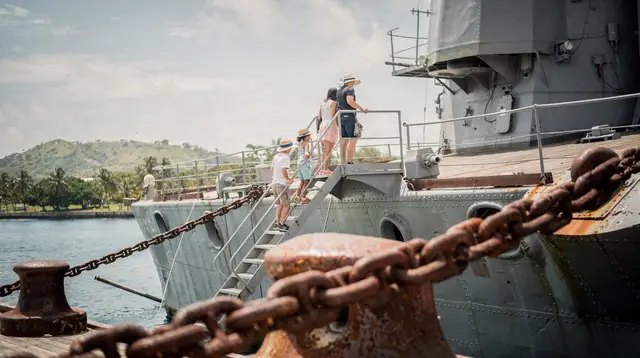
The single most important thing about today is booking ahead. The USS Arizona Memorial program is free, but the reservation itself is not optional: slots open eight weeks in advance on recreation.gov, with a small batch of next-day tickets released the evening before. Book before you leave home, not the morning you plan to go. Full timing detail — what order to see things in, how long each stop takes — is covered separately in One day: Pearl Harbor and historic Honolulu; here, the point is just getting there and back without a car.
For an easier version of the transport question, an organized tour like the From Waikiki USS Arizona Memorial and Honolulu City Tour handles the reservation and the ride in one booking, which is worth the premium if you’d rather not manage the eight-week window yourself. A broader option, the From Waikiki Complete Pearl Harbor Experience Tour, adds the paid sites — USS Missouri and USS Bowfin — that sit alongside the free memorial but are run by separate organizations. Remember no bags larger than a small clutch are allowed on site; there’s a paid bag check near the entrance if you arrive with one.
Coming back toward Waikiki, get off the bus early at downtown Honolulu instead of riding the whole way. Chinatown, Iolani Palace — the only royal palace on US soil, closed Sundays and Mondays — and the Bishop Museum are all within walking distance of each other and worth an afternoon before catching TheBus the rest of the way back to Waikiki. If Pearl Harbor and downtown together feel like too much walking for one afternoon, an organized half-day option like the Oahu: Pearl Harbor and Historic Honolulu Half Day combines both stops with guided transport, freeing the rest of the day for Waikiki.
Day 3: Skyline toward the west, and where the network stops
Day three is the honest limit of a car-free Oahu trip. Skyline, Honolulu’s automated rail line, currently runs two open segments between East Kapolei and the Kalihi Transit Center — around 15 km and about twenty stations — and it reaches the Pearl Harbor area and the airport well. It does not yet reach Waikiki or downtown; that extension isn’t expected until the early 2030s. So getting to a Skyline station from Waikiki means a bus connection first, which is the trade-off of today’s plan.
Ride TheBus from Waikiki toward the Skyline system, transfer onto the train, and use it to explore the Pearl Harbor corridor further or continue toward Kapolei if you haven’t already spent day two there. This is also a realistic way to reach the Ko Olina lagoons for an afternoon, though check current bus connections from the nearest Skyline station before committing — the last stretch out to Ko Olina still depends on a connecting bus, not the train itself.
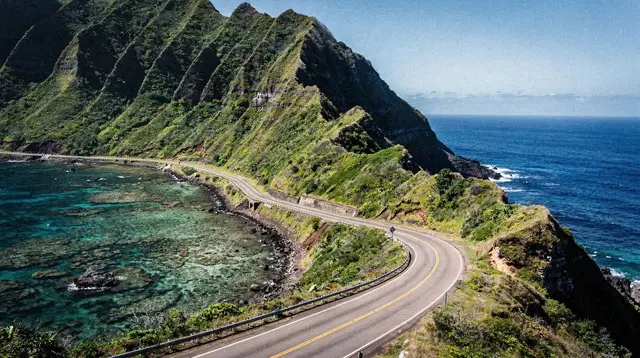
Be clear-eyed about what’s out of reach today: the North Shore, Kailua, Lanikai and the windward coast are not realistic Skyline-or-bus day trips within a normal touring day. They’re a highlight of the island, but they belong to a different kind of day — see One day on the North Shore and One day on the windward coast: Kailua and Kaneohe for when you have a car or a tour van available. If you want a taste of the wider island without renting anything yourself, a guided option like the Oahu: Shared Circle Island Tour from Waikiki covers ground that Biki, TheBus and Skyline simply can’t reach in a single day, and it’s worth booking for a fourth day if your schedule allows one.
End day three back in Waikiki, on foot again, for a final sunset at the beach — no bus, no bike dock, no schedule to catch.
What this itinerary doesn’t cover
- The full island loop — Kualoa Ranch, the North Shore, the windward coast — in a single day: that’s One-day circle island tour: driving all of Oahu, and it assumes a vehicle.
- Hour-by-hour Pearl Harbor logistics: see One day: Pearl Harbor and historic Honolulu and Getting from Waikiki to Pearl Harbor.
- North Shore surf season, shrimp trucks and Haleiwa: One day on the North Shore.
- Kailua and Lanikai beaches: One day on the windward coast: Kailua and Kaneohe.
None of these are unreachable by bus in theory — TheBus does serve the North Shore on routes 52 and 60 — but the ride is long enough each way that fitting it into a three-day, mostly-Waikiki trip isn’t realistic. If those places matter to you, plan a fourth day and treat them as their own trip rather than an add-on to this one.
FAQ: doing Oahu without a car
Can you really see Oahu’s main sights in three days without a rental car?
You can see Waikiki, Pearl Harbor, downtown Honolulu and a slice of the west side. The North Shore and windward coast are genuinely out of reach on this schedule without a car or a tour.
How much does TheBus cost for a day of sightseeing?
A single ride is roughly 3 USD with about two and a half hours of transfers included, and a day pass on HOLO card usually works out cheaper if you’re taking more than two or three rides. Check thebus.org for current 2026 fares before you go.
Do I need to book Pearl Harbor tickets in advance if I’m taking the bus?
Yes. The USS Arizona Memorial reservation has nothing to do with how you get there — slots open eight weeks ahead on recreation.gov and a small batch releases the evening before for next-day visits. Book this before worrying about the bus schedule.
Does Skyline go to Waikiki?
No. Skyline currently runs between East Kapolei and the Kalihi Transit Center, covering the Pearl Harbor area and the airport. Reaching Waikiki or downtown Honolulu still requires TheBus, and the extension into town isn’t expected until the early 2030s.
Is Biki worth it if I’m only in Waikiki for one day?
Yes, for the ground you’d rather not walk twice — Diamond Head Road, Ala Moana, the far end of Kalakaua Avenue. A day pass covers unlimited short rides for a few dollars and is faster than waiting for a bus for short hops within the neighborhood.
Can I reach the North Shore by bus from Waikiki?
TheBus routes 52 and 60 do reach the North Shore, but the ride is long enough each way that it doesn’t fit comfortably into a three-day, mostly-Waikiki itinerary. Treat it as a separate day trip.
Is it cheaper to skip the rental car entirely?
Usually yes once you count hotel parking. Waikiki self-park and valet commonly run 45 to 75 USD a night before the resort fee, which a three-day no-car trip avoids entirely in exchange for bus fares of a few dollars a ride.
What if I want to see the whole island, not just Waikiki and Pearl Harbor?
Book a guided circle-island tour for a day, or plan a longer trip with a rental car. This itinerary is intentionally limited to what Biki, TheBus and Skyline reach well; the full loop is covered in One-day circle island tour: driving all of Oahu.
tours.3 days
Verified deep-linked GetYourGuide tours. Book through these links and we earn a small commission at no cost to you.
GetYourGuide does not provide a product photo for this activity — the image shows the meeting point, photographed by us.