Oahu adventure: four days of hard hikes and big water
Who this itinerary suits
This is not a beach-chair week. It is built for travelers who are comfortable on steep stairs, steady in open water, and willing to be up before sunrise four days running. A rental car is required — see rental car and parking on Oahu before you land — and every day starts early to beat both the heat and the crowds. If you are traveling with young children or want a slower pace, Oahu with kids in five days and honeymoon Oahu in five days cover calmer beaches and shorter hikes. This route also skips Pearl Harbor entirely; if that is on your list, pair this trip with one day for Pearl Harbor and Honolulu before or after.
The two fixed points you cannot move once booked are Hanauma Bay’s snorkeling reservation and, if you go in winter, the North Shore’s surf conditions. Read hiking safety and permits on Oahu before Day 1 — the stairs, ridgelines, and shorebreaks on this route are where the island’s real accidents happen, not the tourist traps.
Day 1: Koko Head Stairs at sunrise, then real rest
Start before dawn. The old railway ties up Koko Head Crater — roughly 1,000 steps and around 370 meters of elevation gain in a little over a kilometer — turn brutal once the sun clears the ridge, and there is no shade anywhere on the climb. Parking at Koko Head District Park fills early, so aim to be on the trail by 6 a.m. Full details, including where the ties are uneven and where hikers have slipped, are in the Koko Head Stairs guide; read it, not a summary.
Bring more water than feels reasonable — at least a liter per person, more in summer — and mineral sunscreen only. Oahu banned the sale of sunscreen containing oxybenzone or octinoxate in 2021 to protect the reef; check your bottle before you pack it. The climb takes 45 minutes to an hour up for a fit hiker, and the descent is where most falls happen, so go slowly on the way down.
After the hike, take the rest of the day easy. Rehydrate, eat, and stay off your feet through the hottest hours — this is intentional, not wasted time, because Day 2 asks just as much of your legs and lungs. If you want a broader view of what else qualifies as strenuous here, best hikes on Oahu ranks the island’s toughest trails against Koko Head.
In the evening, head toward Ko Olina for a Polynesian luau dinner and fire show — a legitimate way to sit down, eat, and let the legs recover before the next early start.
Day 2: Hanauma Bay before the gate opens, then Southeast Shore
Hanauma Bay Nature Preserve is closed Monday and Tuesday, and on the days it is open, the reservation system releases new time slots 48 hours ahead at 7 a.m. Hawaii time — they go fast. Book the earliest slot you can get, arrive with time to park, and expect a mandatory nine-minute conservation video before you’re allowed on the sand. Full booking mechanics, including what to do if the slot you wanted is gone, are in the Hanauma Bay reservation guide.
The bay itself is a collapsed volcanic crater flooded by the sea, not an active volcano — nothing on Oahu is. Snorkeling is calm and well protected by the reef, but currents strengthen toward the channel edges, and the preserve’s own lifeguards pull people out of trouble there every week. Stay inside the marked snorkeling area, never touch or stand on coral, and don’t feed the fish; both are enforced rules, not suggestions.
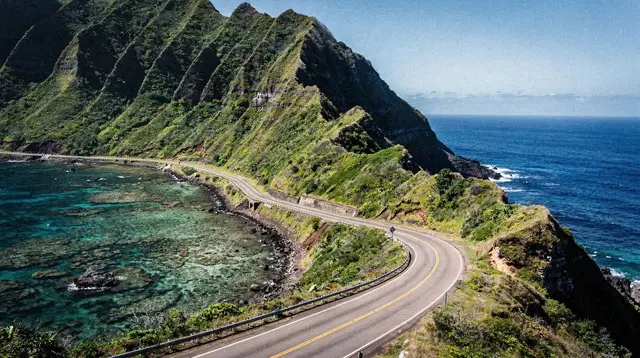
Once your reserved window closes at the daily quota cutoff, spend the rest of the morning working the Southeast Shore rather than driving straight back to Waikiki. The Southeast Shore destination page covers the corridor past Hanauma Bay: Koko Crater, the Halona Blowhole overlook (stand behind the railing — it has killed people who didn’t), and Makapuu Point. If your legs have anything left, the paved Makapuu lighthouse trail is a gentler add-on and the island’s best land-based spot for winter whale watching.
Compare this pairing with a gentler alternative in snorkel tours versus beach snorkeling if you’re deciding whether to repeat Hanauma Bay on a future trip or try a boat-based site instead.
Day 3: North Shore — surf, shark diving, shrimp trucks
Drive to Haleiwa early; the H-2 and Kamehameha Highway back up by mid-morning, and the swell (and the crowd at the good breaks) builds through the day. What you do in the water here depends entirely on the season. In winter (roughly November through February), the North Shore’s marquee breaks — Waimea Bay, Pipeline, Sunset Beach — carry swells that reach several meters and are dangerous for anyone but expert surfers; this itinerary does not send you into that water. Instead, check conditions and surf or bodyboard at a beach the lifeguards have flagged as swimmable that day — conditions change break by break, and a beach that’s fine at Haleiwa Alii can still be closed a mile up the coast. For the seasonal detail this page won’t repeat, read North Shore surf season and, if you’re here between November and April, winter Oahu: whales and surf before you touch the water.
Midday, trade the shore for open water: a boat trip a few miles offshore to snorkel alongside wild sharks in open water, or the version with a partial barrier, a cage-based shark encounter run out of Haleiwa harbor. Both are guided, both brief you thoroughly beforehand, and neither is related to the shorebreak conditions above — this is calm, deep water well off the coast.
Finish at the Kahuku shrimp trucks — a genuine North Shore institution, cash-friendly, and worth the wait. If tides and timing line up, cap the day with a sunset sail along the North Shore coastline. Compare surfing formats before you commit in surf lesson versus board rental.
Day 4: Lanikai Pillbox ridge, then decompress
Last big physical push: the Kaiwa Ridge trail above Lanikai, better known as the Lanikai Pillbox hike. It’s short — under two kilometers round trip — but steep, fully exposed to sun and the windward coast’s near-constant trade winds, and narrow in places with real drop-offs. Go at sunrise both for the light over the Mokulua islands and because the ridge has almost no shade once the sun is up. This is a different kind of exposure than Koko Head — less stair-climbing, more wind and footing — and it deserves the same respect. Details on the exact route and where it gets narrow are in the Lanikai Pillbox hike guide.
Afterward, this itinerary is done asking things of your legs. Use the rest of the day to return the rental car’s fuel to full, rinse gear, and decide whether you have one more Hanauma-style outing in you — best snorkeling beaches on Oahu lists calmer, reservation-free alternatives if Hanauma Bay’s booking window didn’t work out earlier in the trip. If you’re extending your stay, getting around Oahu covers TheBus and Skyline for a lower-key final day without the car.
Water, sun, and timing — what actually causes accidents here
A few rules apply across all four days, because the risks on this itinerary are real, not theoretical: Oahu’s ocean and cliffside trails cause injuries and drownings every year, including to fit, experienced travelers who underestimated a specific spot.
| Risk | Where it applies | What actually works |
|---|---|---|
| Falls on stairs and ridges | Koko Head, Lanikai Pillbox | Go down slower than you went up; wet or loose sections are worse than they look |
| Dehydration and heat | All hikes, no shade on either route | 1+ liter of water per person per hike, started before you feel thirsty |
| Rip currents and channel currents | Hanauma Bay edges, any North Shore swim | Stay inside lifeguarded, marked areas; ask a lifeguard before entering |
| Dangerous shorebreak | North Shore in winter swells | Swim only where lifeguards have the beach flagged open that day |
| Reef damage from sunscreen | Any ocean entry | Mineral sunscreen only — Oahu bans oxybenzone and octinoxate sunscreen sales |
None of this is meant to scare you off the itinerary — it’s meant to keep you on it. The travelers who get hurt on these exact trails and beaches each year are almost always the ones who skipped the early start, ignored a lifeguard flag, or assumed a calm morning meant a calm afternoon.
FAQs about Oahu’s toughest four days
How physically fit do I need to be for this itinerary?
You should be comfortable hiking 1.5 to 3 kilometers with significant elevation gain or steep stairs on back-to-back days, and confident swimming and snorkeling in open water. This is not a beginner itinerary; see Oahu with kids in five days for a gentler version.
Do I need a rental car for this route?
Yes. Koko Head, Hanauma Bay, the North Shore, and Lanikai are spread across the island with no single transit line connecting them on an early-morning schedule. See rental car and parking on Oahu for logistics.
What if I can’t get a Hanauma Bay reservation for my dates?
Reservations open only 48 hours ahead at 7 a.m. Hawaii time and sell out within minutes on popular days. If you miss it, swap Day 2 for one of the beaches in best snorkeling beaches on Oahu, none of which require advance booking.
Is it safe to surf or bodyboard on the North Shore?
It depends entirely on the day and the specific beach. In winter, several marquee breaks carry swells dangerous even for strong swimmers; this itinerary only enters the water where lifeguards have flagged it open. Read North Shore surf season before you go.
Why doesn’t this itinerary include Pearl Harbor?
Pearl Harbor deserves its own unrushed day and doesn’t fit an adventure-paced schedule built around early hikes and water time. Pair this trip with one day for Pearl Harbor and Honolulu separately.
How early do I really need to start each day?
By 6 a.m. for the hikes, and as close to your Hanauma Bay reservation window as possible on Day 2. Oahu’s heat, crowds, and traffic all build fast after mid-morning, and this itinerary has no slack for a late start.
Is Koko Head Stairs harder than the Lanikai Pillbox hike?
They’re hard in different ways. Koko Head is a sustained stair climb with real elevation gain; Lanikai Pillbox is shorter but exposed to wind and narrow, cliffside footing. Neither is beginner-friendly — see hiking safety and permits on Oahu for both.
What sunscreen should I bring?
Mineral sunscreen with zinc oxide or titanium dioxide only. Oahu has banned the sale of sunscreen containing oxybenzone or octinoxate since 2021 to protect the reef, and both ingredients are barred from Hanauma Bay regardless of where you bought the bottle.
tours.4 days
Verified deep-linked GetYourGuide tours. Book through these links and we earn a small commission at no cost to you.
GetYourGuide does not provide a product photo for this activity — the image shows the meeting point, photographed by us.